
Quick Summary: Caring for a loved one is one of the most meaningful things you can do, but it can also lead to caregiver fatigue if your own well-being starts to take a back seat. This blog explores the signs and symptoms of caregiver burnout, practical strategies for managing stress, and how professional support—including assisted living services—can make all the difference for you and your family..
Family caregiving is an act of love. Whether you are supporting a parent through the natural changes of aging, assisting a spouse with daily tasks, or helping a loved one navigate a chronic illness, the commitment you bring to that role is a true testament to who you are. However, caring for someone else, day in and day out, is also one of the most emotionally and physically demanding experiences a person can go through.
Over time, even the most devoted caregivers can find themselves running on empty. The warning signs are not always obvious at first; they tend to build gradually, quietly, until the weight of it all becomes impossible to ignore.
At Fox Ridge Luxury Senior Living, we believe that caring for the caregiver is just as important as caring for the person they love. Understanding the signs of caregiver burnout is the first step toward reclaiming your well-being and finding the support your family deserves.
What is Caregiver Burnout?
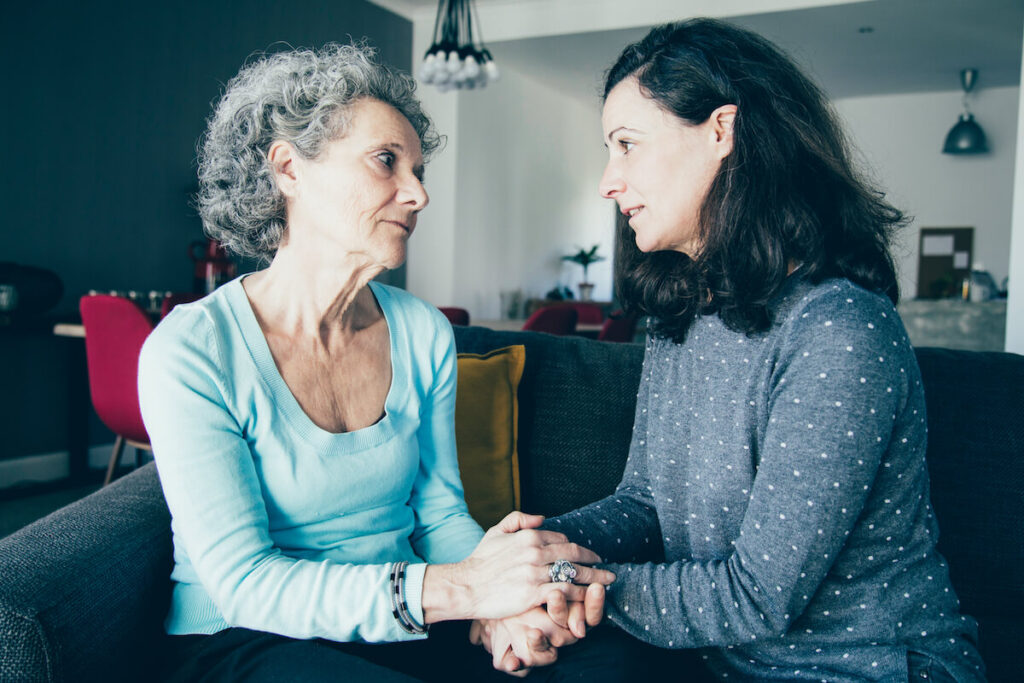
Caregiver fatigue is a state of physical, emotional, and mental exhaustion that develops when the demands of caregiving consistently outpace a person’s ability to rest, recover, and recharge. It is not a sign of weakness or a lack of love, but a natural response to an unsustainable level of stress sustained over a long period.
According to the National Alliance for Caregiving, more than 53 million Americans provide unpaid care to an adult or child with special needs. Many of those caregivers report that their own health has declined as a result, either physically, emotionally, or both. Recognizing what is a common sign of caregiver burnout early can make a meaningful difference in your ability to continue showing up for your loved one.
Signs and Symptoms of Caregiver Burnout to Watch For
Because burnout develops gradually, it can be easy to dismiss or rationalize the early warning signs. If you recognize yourself in any of the following, it may be time to take a step back and assess whether you are getting the support you need.
- Persistent Exhaustion: Feeling tired is normal. Feeling exhausted no matter how much you sleep is not. If rest no longer restores your energy, this is one of the clearest signs and symptoms of caregiver burnout to take seriously.
- Increased Irritability or Emotional Withdrawal: Finding yourself snapping at your loved one, feeling resentful of the caregiving role, or pulling away from relationships you once cherished are significant red flags. These emotions are a signal that you need relief.
- Neglecting Your Own Health: Skipping doctor’s appointments, ignoring your own symptoms, or abandoning habits that once kept you well—exercise, proper nutrition, sleep—are common patterns that accompany caregiver fatigue.
- Feeling Hopeless or Trapped: A growing sense that there is no way out, that nothing will ever improve, or that you are completely alone in this experience is one of the most serious signs of caregiver burnout and deserves immediate attention.
- Loss of Joy: When activities that once brought you pleasure no longer feel enjoyable—hobbies, socializing, time with friends—it is often a sign that burnout has moved beyond fatigue into something that affects your entire quality of life.
- Declining Effectiveness: Ironically, burnout can make you less effective in the very role you are trying so hard to fill. Forgetting medications, struggling to manage logistics, or feeling unable to make clear decisions are all warning signs worth heeding.
When Caregiving Becomes Too Much
There is no clear threshold for when caregiving becomes too much, as it varies for each person and situation. What matters is recognizing that needing help is not a failure. In fact, it is one of the most honest and responsible things a caregiver can do, both for themselves and for the person in their care.
Some common circumstances that push caregivers toward burnout include: caring for a loved one with advancing memory loss or dementia, managing complex medical needs without adequate training or support, balancing caregiving with a full-time career or raising children, grieving the gradual loss of the person you knew before illness changed them, and lacking a reliable network of friends, family, or professionals to share the load.
If your loved one is living with Alzheimer’s or another form of dementia, the emotional and logistical weight can be especially significant. We encourage you to explore our Memory Care program at Fox Ridge Luxury Senior Living, which is designed to provide dedicated, compassionate memory care support for your loved one while giving family caregivers the breathing room they need. Taking care of your body is paramount. Engaging in regular physical exercise, maintaining a nutritious diet, and ensuring sufficient sleep are foundational to a caregiver’s health.
Practical Strategies for Managing Caregiver Burnout

If you are experiencing caregiver fatigue, there are meaningful steps you can take to begin restoring your well-being. Small, consistent shifts can make a real difference over time.
- Ask for Help: This is often the hardest step, but it is also the most important. Reach out to siblings, extended family, friends, or neighbors. Delegating even one task a week can meaningfully ease the burden.
- Connect With a Support Group: Speaking with others who truly understand what caregiving feels like can provide both practical advice and emotional relief. The Family Caregiver Alliance offers valuable resources, including support group directories and educational tools.
- Protect Your Non-Negotiables: Sleep, nutrition, and some form of physical activity are not luxuries; they should be treated as priorities. Even a 20-minute walk or a consistent bedtime can have an outsized impact on your resilience.
- Speak With a Mental Health Professional: Therapy, counseling, or even brief check-ins with a social worker can help you process the grief, stress, and emotional complexity that often accompany long-term caregiving.
- Explore Respite Options: Taking a planned break—whether a few hours a week or a short-term respite stay—allows you to recharge while knowing your loved one is in capable, caring hands.
- Consider the Current Arrangement: Loving someone deeply does not always mean being the sole provider of their care. There may come a point where professional assisted living services represent the most loving choice you can make.
How Assisted Living Services Can Help the Whole Family
For many families, exploring assisted living services ultimately allows caregivers to reclaim their own health and often deepens their relationship with their loved one in the process. When the pressure of daily caregiving tasks is lifted, family members are free to simply be present: to share a meal, take a walk, or have a real conversation, instead of managing medications or worrying about safety.
At Fox Ridge Luxury Senior Living, our assisted living community is built on a culture of belonging where community, care, and connection come together to create a graceful life. Our dedicated team provides individualized support with daily tasks, medication management, mobility, and more, while residents enjoy a warm, home-like environment in the heart of Little Rock’s Chenal Valley.
Our holistic Salus™ wellness philosophy ensures that residents thrive across four dimensions: physical, social, intellectual, and spiritual. Whether it’s participating in enriching programs, enjoying a chef-prepared meal with neighbors, or benefiting from on-site physical therapy, life at Fox Ridge Luxury Senior Living is designed to be genuinely fulfilling.
For families who are unsure whether the time is right, our recent blog post walks through some of the most telling indicators that professional support may be the next best step.
You Deserve Support, Too
No version of sustainable caregiving excludes caring for yourself. Recognizing the signs of caregiver burnout opens the door to real solutions. Whether that means joining a support group, restructuring how care is shared, or exploring what assisted living services could offer your family, the most important thing is that you do not face this alone. At Fox Ridge Luxury Senior Living, we understand the journey families go through, and we are here to walk alongside you every step of the way. If you are ready to explore how our community might support both you and your loved one, we warmly invite you to schedule a visit or contact our team with any questions.
